
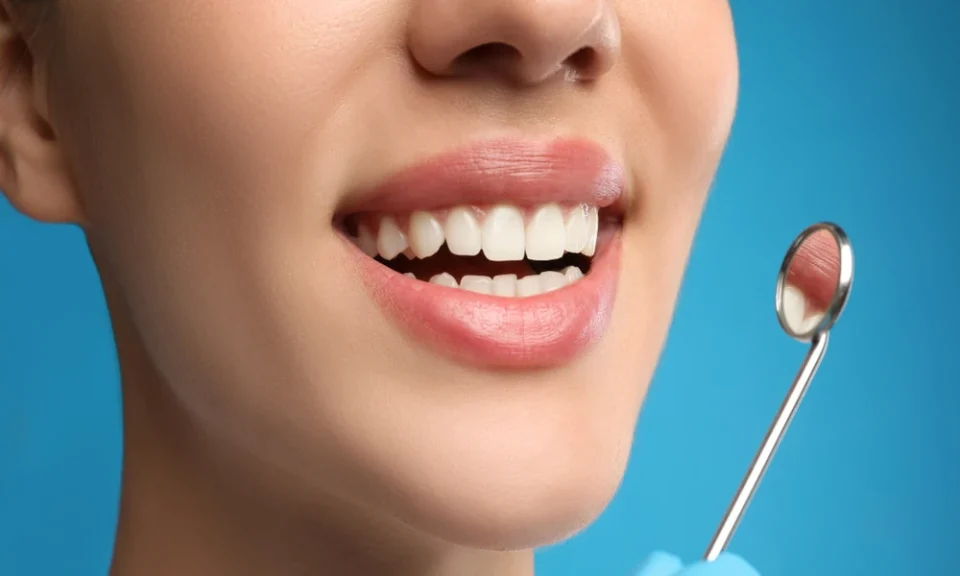
You might be looking in the mirror and noticing things you did not used to see. A chip that catches the light in every photo. Teeth that look more yellow than you remember. A gap you have learned to hide with a careful smile. As a family dentist serving Sterling Heights, I understand that part of you may feel shallow for even caring, yet another part knows that your smile affects how you show up at work, with friends, even on a first date.end
For a long time, cosmetic dental care felt out of reach. It sounded expensive, reserved for celebrities or people with perfect insurance and plenty of free time. If you have been carrying that belief, it is understandable. Prices used to be higher, options were limited, and you might have been told, “This is just cosmetic, so it is not really necessary.”
Here is the quiet shift that many people are only now discovering. Cosmetic dentistry is more affordable, more flexible, and more widely available than at any point in the past. There are more materials, more payment options, and more providers who blend cosmetic work with general and restorative dentistry. In other words, you no longer have to choose between a healthy mouth and a smile you actually like.
This guide walks through why that change is happening, what it means for you emotionally and financially, and how you can take simple, concrete steps to explore your options without feeling pressured or overwhelmed.
Why did cosmetic dentistry used to feel so out of reach?
For many people, the story starts with a small concern that grows over time. Maybe you avoided photos for a few years, then started covering your mouth when you laughed. Someone made a comment about your teeth once, and it stuck. You might have looked up veneers or whitening, seen a scary price estimate, and closed the browser, deciding it was not for “people like you.”
The problem is not just about teeth. It is about confidence. When you do not like your smile, you may pull back from social life or hesitate during job interviews. You might feel frustrated that something so personal seems to come down to money and access. Because of this tension, you might wonder if you are being unreasonable for wanting cosmetic care at all.
Then there is the financial side. Traditional veneers or full-mouth cosmetic work used to cost thousands of dollars, often paid entirely out of pocket. Many insurance plans still classify cosmetic procedures as “elective.” That word alone can sting, as if caring about your appearance is a luxury rather than a part of your well-being.
So where does that leave you? Often stuck between wanting change and feeling guilty or scared about the cost, which leads to doing nothing and hoping you will stop caring. You rarely do.
What has changed to make cosmetic dental care more reachable?
The shift toward more accessible smile enhancement is not one single breakthrough. It is a combination of changes that, together, open more doors than ever before.
First, materials and technology have improved. Modern resin bonding, clear aligners, and thinner porcelain veneers allow dentists to be more conservative with tooth structure and often more flexible with pricing. Teeth whitening methods are safer and more predictable, which means shorter chair time and lower costs in many offices.
Second, cosmetic care is no longer isolated from general and restorative dentistry. Many general and restorative dentists now offer cosmetic options like bonding, whitening, and limited veneers as part of overall treatment planning. Instead of treating “health” and “appearance” as separate worlds, they work together. A chipped front tooth can be restored in a way that also brightens your smile. A crown can be made to match the shade you wish you had, not just the one you have today.
Third, more settings provide care at different price points. University dental clinics and teaching hospitals often offer high quality cosmetic services at reduced fees, since care is provided by supervised students or residents. For example, the cosmetic dentistry services at the University of Maryland and the esthetic dentistry clinic at Tufts give patients access to advanced techniques with more budget-friendly structures.
Finally, payment models have softened the impact. Many offices now offer in-house membership plans, financing, or phased treatment. Instead of paying for everything at once, you can spread care out over months or even years. That is a very different conversation than the old “all or nothing” approach.
So, what does this mean for you in practical terms? It means you can think less in terms of a single huge “cosmetic makeover” and more in terms of small, smart, layered steps that gradually move you toward the smile you want.
How do the options compare in cost, time, and impact?
It helps to see how different cosmetic approaches line up beside each other, especially when you are trying to weigh what is realistic against what you truly want.
| Treatment Type | Typical Use | Approximate Cost Range (per area) | Time Involved | Durability / Impact |
|---|---|---|---|---|
| Professional Whitening | Yellow or stained teeth | Low to moderate | One to two visits or at-home trays for a few weeks | Can brighten multiple shades. Needs maintenance every 1 to 3 years. |
| Tooth-Colored Bonding | Small chips, gaps, minor shape issues | Lower than veneers | Often completed in a single visit | Good cosmetic boost for 3 to 7 years, depending on care. |
| Porcelain Veneers | Major shape, color, and alignment concerns in the front teeth | Higher per tooth | Usually 2 to 3 visits over a few weeks | Strong, natural-looking results, often lasting 10 years or longer. |
| Clear Aligners | Crooked, crowded, or spaced teeth | Moderate to higher, depending on complexity | Several months to over a year | Long-term change to tooth position with retainers to maintain results. |
| Restorative Crowns with Cosmetic Planning | Teeth that are damaged or heavily filled | Similar to traditional crowns | 2 or more visits | Restores strength and improves appearance at the same time. |
These are general patterns, not fixed promises. The point is that you have a range of options, from smaller, lower-cost steps to more involved treatments. A thoughtful general and restorative dentist can help you mix and match. For example, you might whiten first, then do bonding on just the most visible teeth, instead of veneers on every tooth you see in the mirror.
What can you do right now to move toward the smile you want?
You do not have to commit to anything big today. You only need a starting point that feels safe and clear.
1. Schedule a no-pressure cosmetic evaluation with a general dentist
Look for a general and restorative dentist who specifically mentions cosmetic or esthetic services. When you call, say something like, “I want my teeth to be healthier, and I am also unhappy with how they look. I would like to understand my options and costs before I decide anything.” That sets the tone. A good provider will examine your oral health first, then talk through cosmetic options in plain language and help you understand what is urgent, what is optional, and what can be phased.
2. Ask for a phased plan and multiple price points
Instead of asking, “What will it cost to fix my smile,” try asking, “If we broke this into stages, what would stage one look like, and what would it cost.” You can also ask for two or three versions of a plan. One that focuses on health only. One that blends health with cosmetic upgrades. One that is your ideal cosmetic outcome. This makes the conversation less all-or-nothing and gives you room to choose what fits your life today.
3. Explore community and teaching clinic options if cost is your main barrier
If traditional private practice pricing is still too high, you are not out of options. University-based programs and community clinics often provide affordable cosmetic dentistry under the supervision of experienced faculty. It may take longer, and you might have more appointments, but the tradeoff is meaningful cost savings with thoughtful care. Searching for “dental school cosmetic clinic” in your area can be a smart place to start.
Where does this leave you as you think about your smile?
You do not need to be “perfect” to deserve a smile you feel comfortable showing. You may still feel torn between budgeting, time, and the quiet wish to look more like the person you feel you are on the inside. That tension is normal.
The good news is that cosmetic dental treatment is no longer an all-or-nothing luxury. With modern materials, flexible planning, and more providers who blend health and appearance, you can take realistic steps toward change without turning your life upside down.
You are allowed to care about how you look. You are allowed to ask questions, compare options, and move at your own pace. The next move is simple. Find a trusted general and restorative dentist, start a conversation about both health and appearance, and give yourself permission to explore what is possible for your smile today.
