
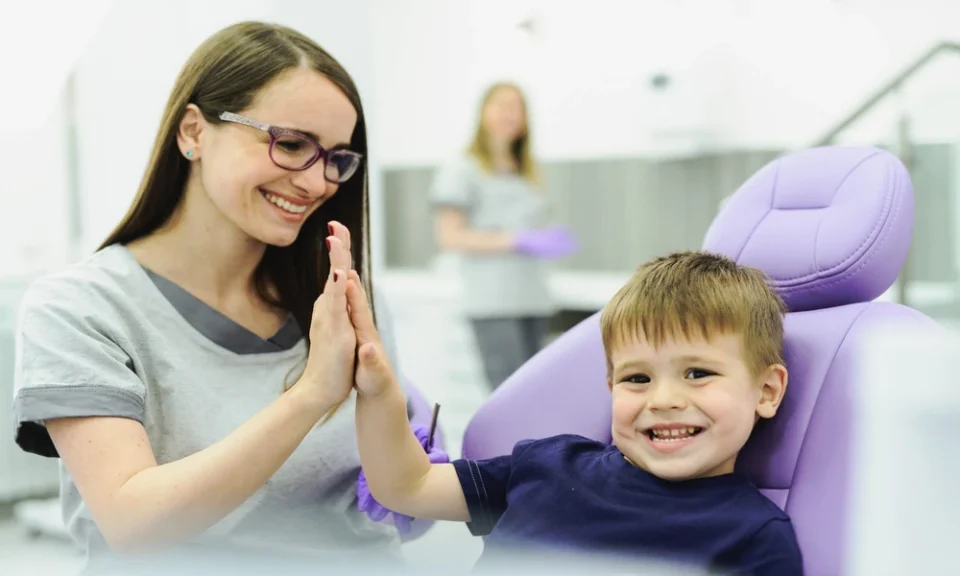
You might be feeling a mix of things right now. Maybe your child is old enough for that first appointment, and you are wondering how it will go with a children’s dentist in Greenbelt. Will they be scared? Will they cry? Will you leave feeling relieved, or wish you had prepared a little more? That uncertainty is real, and it is one many parents carry into a child’s first trip to the dentist.
The good news is that a first visit does not have to feel stressful or rushed. With a little planning, you can help your child walk in with more comfort and walk out with more trust. If you are looking for simple, calm ways to get ready, these four steps can make that first appointment with a pediatric dentist feel much easier for both of you.
Why can a first dental visit feel bigger than it seems?
For adults, a dental appointment may feel routine. For a child, it can feel like a room full of strange lights, sounds, and new faces. Because of that, even a gentle checkup can seem overwhelming if they do not know what to expect. And when your child feels uneasy, you feel it too.
There is also the pressure parents often put on themselves. You may wonder if you waited too long, or if your child’s habits will be judged. You may worry about cost, cavities, or how your child will react if the dentist needs to look closely. So, where does that leave you? Usually, it means preparing the emotional side of the visit matters just as much as showing up on time.
According to the MedlinePlus child dental health resource, early dental care helps children build healthy habits and catch problems sooner. That first visit is not only about teeth. It is about helping your child learn that dental care can feel safe and normal.
How do you talk about the dentist without making your child nervous?
The first way to prepare your child is to keep your language calm and simple. Children often take emotional cues from you. If you talk about the dentist as something scary, painful, or something they need to “be brave” for, they may assume something bad is coming. Instead, try describing the visit in plain terms. You can say the dentist will count their teeth, look at their smile, and help keep their mouth healthy.
This matters more than many people think. A child who hears, “It won’t hurt,” may start wondering why pain is even part of the conversation. A child who hears, “The dentist is going to help your teeth stay strong,” often has less fear going in.
This is also a good time to review a few basics at home. The CDC’s oral health tips for children offer helpful guidance on brushing, flossing, and healthy habits by age. When home care already feels familiar, the dentist’s advice feels less foreign.
What are 4 ways to prepare your child for their first dental visit?
1. Talk about the visit ahead of time. Keep it short, warm, and positive. Use simple words and avoid promising rewards for “getting through” it, which can make the visit sound hard before it even starts.
2. Practice at home. Pretend to be the dentist and let your child open wide while you count their teeth. Then let them do the same with a stuffed animal or doll. Play often lowers fear because it turns the unknown into something familiar.
3. Choose the right time of day. Try to schedule the appointment when your child is usually rested and fed. A hungry, tired child has less patience for new settings, even if the appointment is brief.
4. Bring comfort, not pressure. A favorite toy, blanket, or book can help your child settle. At the same time, avoid building up the visit too much. Quiet confidence often works better than a long speech.
If you are trying to ease child dental anxiety before a visit, these steps can help create a smoother experience. They also support a better start with a first dentist visit for kids, where trust matters more than perfection.
What practical details should you think through before the appointment?
Sometimes the stress comes from the little things. What if your child refuses to sit still? What if they cry in the waiting room? What if the dentist finds a problem? It helps to remember that none of these moments mean you failed. They just mean your child is young and still learning.
One useful way to prepare is to separate what helps from what can backfire. Here is a simple comparison.
| Preparation choice | Often helps | Can make things harder |
|---|---|---|
| Talking about the visit | Short, calm explanation about counting teeth and checking the smile | Long warnings, talk about shots, pain, or “being brave” |
| At home practice | Pretend checkups with a toy or mirror | No preparation at all, which leaves everything unfamiliar |
| Appointment timing | Morning or after rest, when your child is fed and calm | Naptime, late afternoon, or when your child is hungry |
| Parent attitude | Steady, matter of fact support | Visible anxiety or repeated reassurance that something “won’t hurt” |
If you are wondering what the dentist may look for, MedlinePlus explains children’s dental development in a way that can help you know what is typical at different ages. That context can make the visit feel less mysterious.
What can you do right now to make the first visit easier?
Start with a simple script. Tonight, tell your child, “Soon, the dentist will count your teeth and make sure your smile is healthy.” Then stop there. Give them space to absorb it without turning it into a big event.
Do one short practice round. Use a toothbrush, a mirror, or a stuffed animal. Keep it playful. Even two minutes of pretend play can make a dental office feel more familiar later.
Plan for comfort before you leave. Pack water, a comfort item, and a little extra time so you are not rushing. Children notice when the adults around them feel hurried, and that tension can follow them into the exam room.
What should you remember as the day gets closer?
Your child does not need to handle the first visit perfectly. They just need a calm start. Some children walk in smiling. Others cling to a parent or shed a few tears. Both can still lead to a good appointment. What matters is that this first experience helps build trust in dental care and makes the next visit feel easier.
If you are preparing for your child’s first appointment with a pediatric dentist, keep it simple, keep it steady, and give yourself credit for showing up with care. That alone goes a long way. When you are ready, schedule a visit with a pediatric dentist and take that first step toward a healthy, confident smile.
