
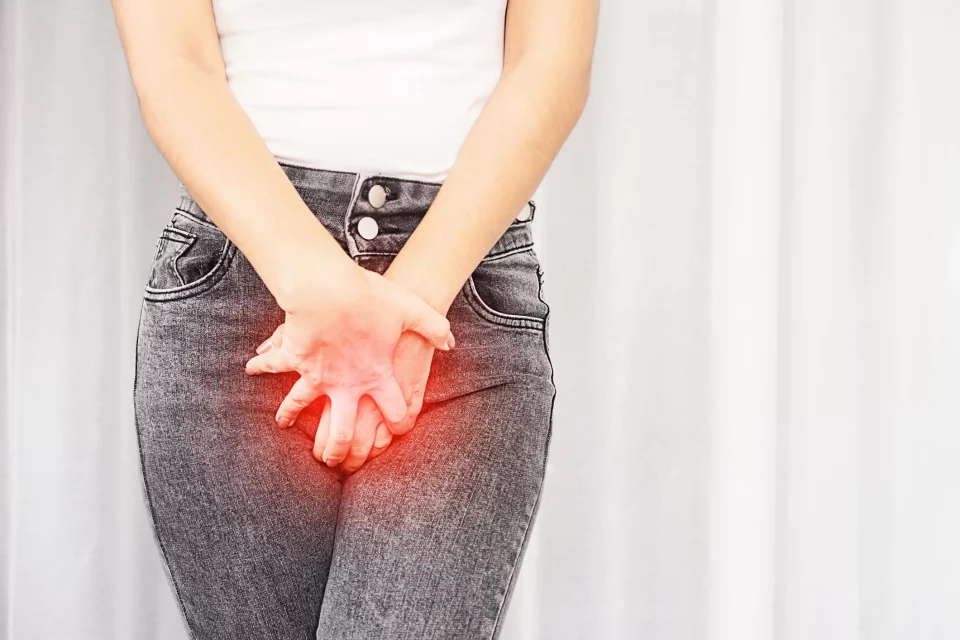
When investigating “what causes itching in private part of a woman,” the primary culprits are yeast infections, Bacterial Vaginosis (BV), and contact dermatitis (irritation from laundry detergents or soaps). Less common but important to rule out are STIs or skin conditions like lichen sclerosus. If the itching is accompanied by a “fishy” odor, it is likely BV; if it looks like cottage cheese, it’s likely yeast.
The cause matters because the treatment is completely different for each one. Here’s how to tell them apart – and when to see a doctor rather than guessing.
Causes at a Glance
| Cause | Key Symptoms | Discharge? | Odour? | Typical Treatment |
|---|---|---|---|---|
| Yeast infection | Intense itch, burning, soreness | Thick, white, cottage-cheese-like | None or mild | Antifungal (clotrimazole / fluconazole) |
| Bacterial vaginosis | Mild itch, more burning than itch | Thin, grey or white | Fishy – especially after sex | Antibiotics (metronidazole) |
| Contact dermatitis | External rash, redness, burning | None (vaginal discharge unchanged) | None | Remove trigger, hydrocortisone cream |
| Lichen sclerosus | Chronic intense itch, white patches | None | None | Prescription steroid cream |
| Trichomoniasis | Itch with burning, irritation | Yellow-green, frothy | Strong, unpleasant | Antibiotics (metronidazole) |
| Herpes | Tingling, then sores or blisters | Possible if sores present | Possible | Antiviral medication |
| Menopause / low oestrogen | Dryness, itch, burning | Less than usual / dry | None | Topical oestrogen / moisturiser |
| Pubic lice / scabies | Intense itch especially at night | None | None | Specialist cream / lotion |
Cause by Cause: What You Need to Know
Yeast Infection (Thrush)
The most common cause overall. Caused by an overgrowth of Candida fungi – usually Candida albicans – which naturally lives in small amounts in the vagina. It becomes a problem when the balance shifts. The itch is typically intense and internal, with a thick, white discharge that looks like cottage cheese. There’s no strong smell. Triggers include antibiotics, hormonal changes, high sugar intake, tight clothing, and damp environments.
Bacterial Vaginosis (BV)
BV is the most common vaginal infection in women aged 15-44, yet many people haven’t heard of it. It’s caused by an overgrowth of naturally occurring anaerobic bacteria that displace the healthy lactobacilli. The hallmark is a fishy odour – often strongest after sex – with thin, greyish discharge. The itch is usually milder than a yeast infection, more of an irritation. BV requires antibiotic treatment; it won’t clear on its own reliably.
Contact Dermatitis
Often overlooked because people assume a vaginal product labelled ‘gentle’ or ‘intimate’ can’t be the problem. But scented soaps, bubble baths, fabric conditioners on underwear, wet wipes, and even some sanitary products are common triggers. The itch is external (vulval), often with redness or a rash. Stopping the product and using plain water to cleanse is both the diagnosis and the cure.
Lichen Sclerosus
A chronic skin condition most common in postmenopausal women, though it can affect any age. It causes white, thin, fragile patches on the vulval skin, with intense itching that can be debilitating. It’s not contagious and not an STI – it’s an autoimmune condition. It requires diagnosis by a GP or gynaecologist and is managed with a prescription steroid cream. It doesn’t go away on its own.
Hormonal Changes (Menopause / Perimenopause)
As oestrogen falls during perimenopause and menopause, vaginal and vulval tissue becomes thinner, drier, and more prone to irritation – a condition called genitourinary syndrome of menopause (GSM). The itch is typically accompanied by dryness, discomfort during sex, and more frequent urinary symptoms. Topical oestrogen (prescribed) and vaginal moisturisers are effective treatments.
What You Can Assess at Home vs. What Needs Testing
| Situation | Can Self-Assess? | Needs Medical Test? |
|---|---|---|
| Classic yeast infection (you’ve had before, same symptoms) | Yes – OTC antifungal reasonable | If it doesn’t clear in 7 days, yes |
| Fishy odour with discharge | No – can’t diagnose BV without test | Yes – swab needed |
| Rash after new product use | Yes – remove product, monitor | If no improvement in 1-2 weeks |
| Sores, blisters, or ulcers | No | Yes – urgently |
| Chronic itch with white patches | No | Yes – biopsy may be needed |
| Itch after menopause with dryness | Partially – can try vaginal moisturiser | Yes if severe or ongoing |
| New sexual partner + unusual symptoms | No | Yes – full STI screen recommended |
When to See a Doctor – Without Delay
- Any sores, blisters, or ulcers in the genital area
- Symptoms that don’t respond to OTC antifungal after 7 days
- Symptoms recurring more than 3 times per year (recurrent thrush needs investigation)
- Fishy or foul odour – cannot be treated without the right antibiotic
- New sexual partner and any unusual symptoms
- Itch with pelvic pain, pain during sex, or pain urinating
- Itch with bleeding not related to your period
Prevention and Hygiene Principles
- Wash the external vulval area with plain, unperfumed soap or water only – the vagina is self-cleaning
- Wear breathable cotton underwear; avoid tight synthetic fabrics for extended periods
- Change out of wet swimwear or gym clothes promptly
- After antibiotics, consider a course of probiotics to support vaginal flora restoration
- Wipe front to back after using the toilet
- Avoid scented panty liners, pads, or tampons – these are a common hidden irritant
