
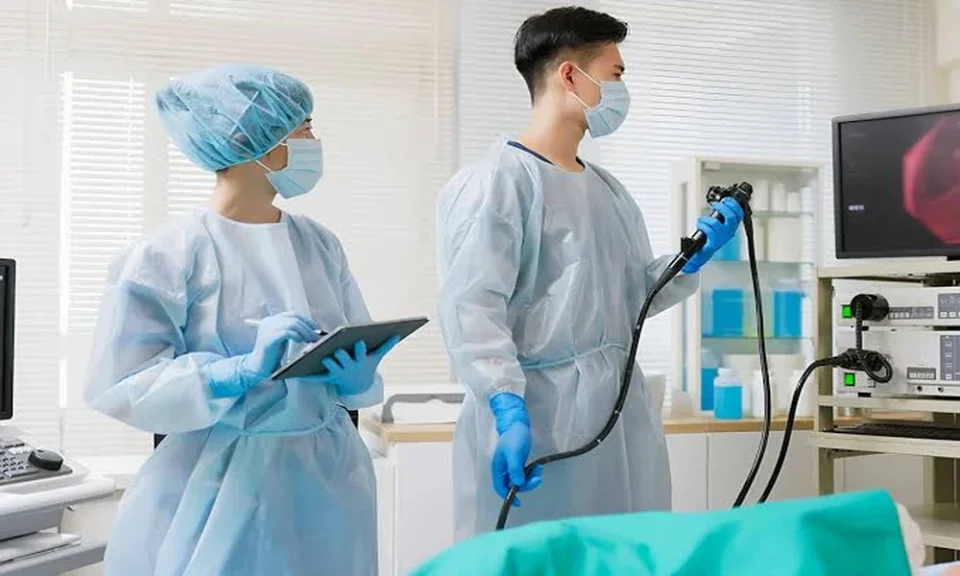
Preventive healthcare is increasingly focused on finding health problems before they cause noticeable symptoms. This shift has also increased interest in gastrointestinal screening, particularly among adults with age-related or hereditary risk factors.
While not every person needs an endoscopic examination, certain procedures can help doctors identify abnormalities early. For example, colonoscopy can detect colorectal polyps and cancer, while upper gastrointestinal examinations can assess abnormalities in the oesophagus, stomach and duodenum.
1. Early Detection Can Make a Difference
One major reason preventive endoscopy is receiving more attention is the value of detecting disease before symptoms become obvious. Some gastrointestinal conditions can develop gradually, meaning a person may feel well while abnormalities are already present.
Colorectal cancer screening is a particularly important example. Polyps can sometimes be identified and removed during colonoscopy before they develop into cancer, making screening both a detection and preventive strategy.
2. Colorectal Cancer Screening Is More Recognised
Colorectal cancer screening has become an established part of preventive healthcare in many countries. Screening recommendations vary depending on a person’s age, risk factors and location.
In Singapore, the Ministry of Health’s latest 2026 recommendations continue to identify age 50 as the starting age for colorectal cancer screening among average-risk individuals. People with factors such as a personal history of polyps or a family history of colorectal cancer may require a more individualised approach.
This growing emphasis on appropriate screening has helped more people understand that examinations are not only for those who already have digestive symptoms.
3. Polyps Can Be Found Before They Cause Symptoms
A key advantage of screening colonoscopy is that it can identify abnormalities that may not yet be producing noticeable symptoms.
Some colorectal polyps can develop into cancer over time. During a colonoscopy, a doctor can identify and, when appropriate, remove certain polyps during the same procedure.
This can reduce the opportunity for potentially precancerous growths to remain undetected. The preventive value is one reason routine endoscopy can play an important role in selected screening programmes.
4. Risk Factors Can Change When Screening Is Appropriate
Preventive screening is not necessarily the same for everyone. Age is one consideration, but family history, previous polyps and certain medical conditions can also affect an individual’s risk.
People with a higher-than-average risk may be advised to begin screening earlier or undergo examinations at different intervals. Singapore’s Ministry of Health specifically advises people with higher colorectal cancer risk to discuss targeted screening with their doctor.
A personalised assessment is therefore important before deciding whether screening is appropriate.
5. Screening Is Moving Beyond Waiting for Symptoms
Traditionally, many people associate gastrointestinal investigations with symptoms such as abdominal discomfort, changes in bowel habits or unexplained bleeding. However, preventive healthcare encourages appropriate screening even when a person feels healthy.
This does not mean everyone should undergo routine endoscopy without medical advice. Screening recommendations depend on the individual’s risk profile and the condition being assessed.
For example, Singapore’s current colorectal screening guidance distinguishes between average-risk individuals and those with symptoms or additional risk factors. People experiencing concerning symptoms should seek medical attention rather than relying on routine screening alone.
6. Screening Options Can Be Tailored to the Individual
Preventive gastrointestinal screening does not always mean undergoing an invasive procedure immediately. For colorectal cancer, available screening methods can include stool-based tests as well as direct visual examinations such as colonoscopy.
The appropriate option depends on factors including age, risk level, previous screening history and personal circumstances. International guidelines also recognise several screening approaches for average-risk adults, with recommendations varying between healthcare systems.
Discussing these choices with a doctor can help patients understand the potential benefits, limitations and follow-up requirements of each approach.
7. Prevention Requires Appropriate Follow-Up
Preventive screening is most useful when abnormal findings are properly evaluated and followed up. A screening examination is not an isolated event but part of a broader process involving risk assessment, testing, interpretation and appropriate follow-up.
For instance, Singapore’s Ministry of Health emphasises personalised screening advice and proper follow-through rather than relying on mass screening without individual assessment.
If a screening test identifies an abnormality, the doctor may recommend further investigation or monitoring depending on the finding.
Conclusion
The growing focus on preventive healthcare has made screening and early detection more prominent in discussions about digestive health. Endoscopy can be valuable in selected patients because it allows doctors to directly examine parts of the gastrointestinal tract and, in some procedures, remove abnormalities during the examination.
However, preventive screening should be based on established guidelines and individual risk rather than the assumption that everyone needs the same test. Speaking with a healthcare professional can help determine whether screening is appropriate, when it should begin and which approach best suits the individual’s circumstances.
