
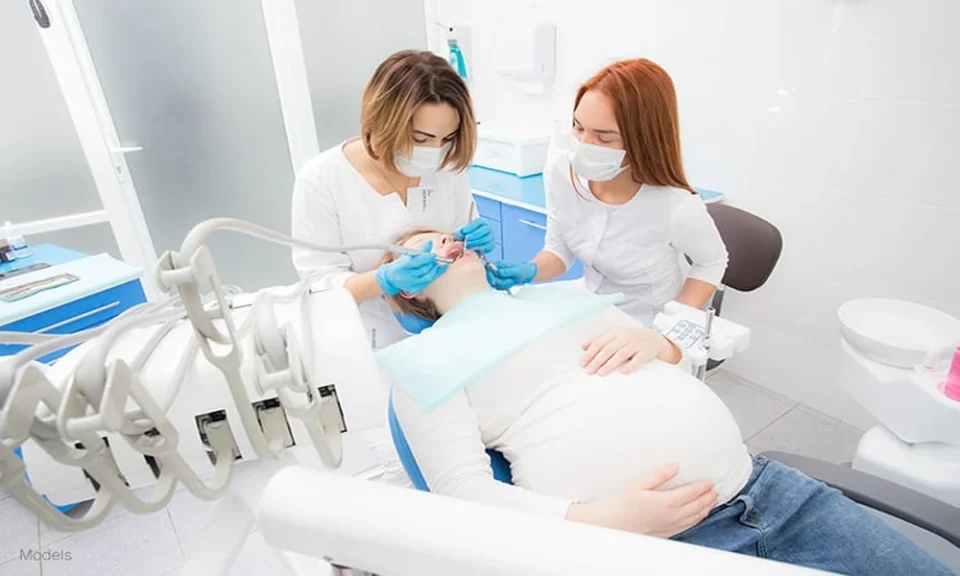
You already have enough on your mind when you are pregnant. Appointments stack up, your body feels different from week to week, and even small changes can make you wonder if they matter. At a Burlington, Ontario dental office, concerns like bleeding gums, bad breath, tooth sensitivity, or a sudden toothache can feel easy to brush off when everything else seems more urgent. That is often how dental problems grow.
Why dental care matters during pregnancy comes down to two things. Your mouth changes during pregnancy, and untreated problems in your mouth can affect your comfort, nutrition, and overall health. You do not need perfect teeth to have a healthy pregnancy, but you do need attention to signs that something is off and regular care from a general dentist.
Pregnancy changes can make oral health problems show up fast
Hormone shifts can make your gums more reactive to plaque, which means swelling, tenderness, and bleeding can start even if your routine has not changed much. Nausea and vomiting can add acid to the mix, wearing down enamel and making teeth feel sore. Cravings, frequent snacking, dry mouth, and fatigue can make brushing and flossing harder to keep up with, especially on the rough days when getting through the day already feels like enough.
The CDC’s pregnancy and oral health facts explain that hormonal changes during pregnancy can raise the risk of gum problems. That matters because inflamed gums are not just a mouth issue. They can become painful, make eating unpleasant, and lead people to avoid the very care that would help.
You might notice blood in the sink when you spit after brushing and think, maybe I should brush less. The opposite is usually true. Bleeding gums often mean they need better plaque control, not less cleaning. Pulling back can let irritation build, and then a mild problem turns into a more stubborn one.
Untreated dental problems during pregnancy can affect daily life
Pain changes everything. A cavity that starts as sensitivity can become a sharp ache that keeps you up at night. Gum infection can make chewing hard, which affects how well you eat when your body already needs steady nutrition. If a dental issue becomes urgent, the timing is rarely convenient. It hits during work, while caring for other children, or right when you are trying to rest.
Oral health during pregnancy also carries a lot of confusion. Some people still hear that dental treatment should wait until after delivery. That delay can create bigger problems. Cleanings, exams, and many common dental treatments are considered safe during pregnancy, especially when your dental team knows you are pregnant and coordinates care appropriately. The larger report from the National Institute of Dental and Craniofacial Research reinforces a simple truth. Oral health is part of overall health, not separate from it.
There is also the financial side. A preventive visit is usually far easier on your budget than an emergency appointment, a root canal, or an extraction after months of avoiding the issue. Many people put off care because they hope the pain will settle down on its own. Tooth infections usually do not work that way.
Dental care in pregnancy is safer and more useful than many people think
Routine dental care helps catch problems early, when they are easier to manage. A general dentist can check for gingivitis, cavities, enamel wear from vomiting, signs of grinding, and areas where food is getting trapped because your gums are swollen. That kind of visit is not about adding one more task to your list. It often removes stress because you get clear answers instead of guessing.
If you are dealing with morning sickness, rinsing with water or a fluoride mouth rinse after vomiting can help reduce acid exposure. Brushing right away can scrub acid into softened enamel, so waiting a bit first is gentler on teeth. If brushing triggers nausea, a smaller toothbrush head, a bland toothpaste, or brushing at a different time of day can make the routine more manageable.
| Situation | Ignoring It | Getting Dental Care |
|---|---|---|
| Bleeding gums | Inflammation can worsen and make brushing harder | Cleaning and home care guidance can reduce swelling and bleeding |
| Tooth sensitivity after vomiting | Enamel wear may continue with repeated acid exposure | Dentist can suggest fluoride support and protective steps |
| Small cavity | Can turn into pain or infection that needs urgent treatment | Early treatment is usually simpler and less costly |
| Skipping regular cleanings | Plaque and gum irritation can build during hormone changes | Professional cleaning helps control problems before they grow |
For a reliable overview of common conditions and prevention, MedlinePlus dental health resources offers plain language guidance that is easy to use when you want facts without extra noise.
Small steps can protect your teeth and gums throughout pregnancy
Book a dental visit and mention your pregnancy. A routine exam and cleaning can identify issues before they become painful. Tell the office how far along you are, what medications or supplements you take, and whether you have nausea, vomiting, or gum bleeding.
Adjust your home routine to match what your body is doing. Brush twice a day with fluoride toothpaste and floss once a day. If vomiting is part of your week, rinse with water first and wait before brushing. If a strong mint flavor makes you gag, switch to a milder toothpaste.
Do not wait out pain, swelling, or signs of infection. Call a dentist if you have persistent tooth pain, facial swelling, pus, a bad taste that will not go away, or gums that bleed heavily and stay tender. Those are not symptoms to monitor for weeks. They need attention.
Protecting your smile during pregnancy supports your overall health
Pregnancy dental care is not cosmetic and it is not optional self care dressed up as health advice. It is part of staying well while your body is doing demanding work. A healthy mouth can make eating easier, reduce pain, lower stress, and help you avoid problems that get harder to manage later.
If you have been putting off a visit because you were unsure what was safe, this is a good time to change that. A general dentist can help you protect your teeth, ease gum problems, and give you a plan that fits real life during pregnancy.
