
Key Takeaways
Mayo surgical scissors are crucial instruments in surgery, delivering the precision necessary for clean cuts that help reduce complications. You’d be surprised how much these scissors can boost a surgeon’s performance, making cuts feel almost instinctive.
The design of the blade plays an essential role in surgical effectiveness. With various shapes and thicknesses tailored to specific tasks, picking the wrong blade type can really compromise the quality of an incision. The angle and intricate design of the blade can dramatically affect surgical outcomes.
Maintaining mayo surgical scissors is absolutely essential. If you ignore them, performance can suffer; regular cleaning, drying, and sharpening are key to keeping blades sharp and minimizing the chance of costly replacements. Treating these tools like throwaways can seriously jeopardize the success of surgeries.
Misusing mayo surgical scissors is a mistake that even seasoned surgeons can make. Knowing how to use them correctly for different tasks can greatly improve safety and patient outcomes. It’s vital to use the right tool for the right job if you want to maintain surgical precision.
When you’re selecting mayo surgical scissors, don’t assume that price guarantees quality. You can find effective tools across a range of prices, and what really counts is prioritizing well-crafted instruments over brand prestige. Sometimes, a well-made tool that suits your needs will outshine more expensive options.
There’s a variety of mayo surgical scissors out there. Choosing the right pair requires you to think about size, blade design, and material to accommodate different surgical specialties and needs. Each variation has its strengths, highlighting how critical it is to select the right scissors for your tasks.
For optimal performance, a comfortable grip and the right size are crucial. The size of mayo surgical scissors can affect your dexterity, which in turn can influence surgical results. Spending time experimenting with various sizes and styles is definitely worth it for surgeons.
Why Mayo Surgical Scissors Are More Than Just Tools
The Secret to Precise Cutting and Efficiency
Imagine being in the operating room. Tension fills the air. It’s just you, the surgeon, and those mayo surgical scissors. They might seem harmless, but these scissors are every surgeon’s secret weapon. When you have the right pair, you may find that clean and precise cuts are within reach, while jagged tissues become a thing of the past. Just one slip with a dull blade could introduce complications. Precision is paramount, no questions asked.
The efficiency these scissors provide can be overlooked. Think about it; slicing through tissues or sutures feels nearly natural with a quality tool in hand. At their core, mayo surgical scissors are designed to seamlessly extend your skill. A good pair means less strain on you while making every cut as effective as possible.
How Blade Design Impacts Surgical Performance
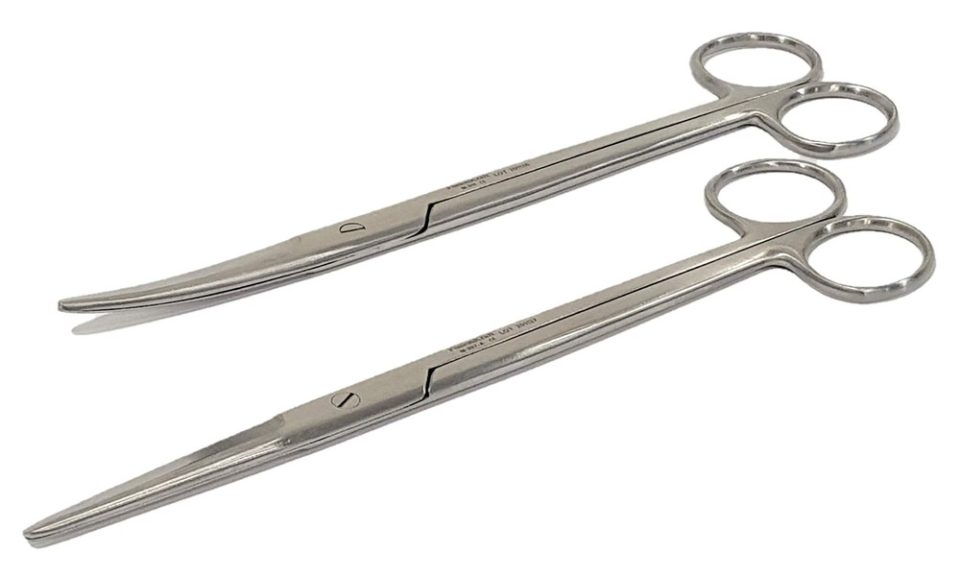
Let’s dig into blade design. Sharpness? Yes, that’s important. But it’s also about the shape. You’ll find straight blades, curved edges, and various thicknesses, each crafted for specific surgical needs. Ever try using straight blades for something delicate? That’s when you realize the importance of having the right shape. Getting familiar with these nuances can greatly enhance your performance during complex procedures. Ergonomic handles, balance-each detail does matter, including that crucial ridge on the blade.
Every single part of the blade impacts performance. If the angle isn’t perfect, you risk taking tissue instead of making a clean incision. It’s a thought: the line between a successful operation and a tough recovery might hinge on whether you’ve chosen the right tool. Surprised? You shouldn’t be.
Common Mistakes When Using Mayo Scissors
Overlooking Maintenance: A Costly Error
Let’s face facts-maintenance is often overlooked. You could be wielding the finest mayo surgical scissors, but if you ignore proper care, you might as well grab a butter knife. Regular check-ups are essential. I’ve seen many surgeons treat these tools as if they were disposable, and that’s just asking for trouble. Make it a point to clean them thoroughly after each use. Residue can build up and dull your blades over time. That could completely throw off your surgical performance.
- Always use mild soap and water for washing.
- Dry them immediately to avoid rust.
- Regularly check the alignment of the blades.
- Sharpen blades when necessary; don’t wait until they’re dull.
Don’t roll your eyes yet; maintaining your tools can save you money in the long haul. Neglecting them and needing replacements costs far more than establishing a good care routine.
Misusing the Scissors: It Happens to the Best
We’ve all been there-scrubs stained, clock ticking, and suddenly, it hits you: you’re using the wrong scissors on a crucial cut. Misusing mayo surgical scissors is a mistake even the best of us might stumble into. Ever cut through thick material when a scalpel was really what you needed? Yeah, I’ve done that too.
Understanding your tools and their limits is key. Experimentation can be a part of learning, but it’s not the time to do it when the stakes are high. Watch out for these common pitfalls:
- Using them for tasks they weren’t designed for-like hefty materials.
- Gripping them too tightly, which can compromise precision.
- Ignoring your physical fatigue-it can certainly cloud your judgment!
Take a moment to breathe. Sure, it might seem easier to grab the closest tool, but the outcome for your patient is what really matters. Misusing that handle? It’s simply not an option.
Divulging the Myths: What Everyone Gets Wrong
Expensive Doesn’t Always Mean Better
“Quality isn’t dictated by price; it’s about craftsmanship.”
Shop wisely. Get to know companies that make durable tools without flaunting a big-name reputation. It’s about finding the right fit for your hand and the unique needs of your practice. Quality craftsmanship consistently beats brand allure.
Are All Mayo Scissors Created Equal?
Now, here’s where it gets tricky. Not all mayo surgical scissors fit all surgeons. If they did, there would be a one-size-fits-all model in every OR. The truth is, there’s variability in size, blade design, and material, depending on different specialties and surgical demands.
Do your research! Talk to fellow practitioners, read reviews, and experiment with a few options. Don’t assume “Mayo” is just a singular brand or standard. Each variation offers unique advantages. Choosing the right scissors for your specific surgical tasks is vital.
- Size: Longer blades are better for larger incisions.
- Material: The quality of stainless steel can vary.
- Blade edge: Different shapes serve distinct functions.
It may seem minor, but the right choice can make all the difference in a tight spot.
Choosing the Right Mayo Scissors for Your Needs
Considerations for Different Surgical Situations
Now that we’ve dug into mayo surgical scissors, let’s get practical. Think about the scenarios you’ll be facing. Are you tackling delicate sutures or heavy dissections? Size and shape are essential. Not every job calls for the same tool, and relying solely on instinct might not cut it when lives are at stake.
Here are a few important considerations:
- Type of Procedure: Select according to the task; intricate work requires precision blades.
- Surgeon’s Hand Size: A comfy grip isn’t just a perk; it’s vital for your performance.
- Blade Coating: Some blades feature coatings that enhance corrosion resistance.
And hey, connecting with supply representatives can open your eyes to new options. That’s part of the pro game.
Size Matters: Finding the Perfect Fit
Size isn’t just an issue for clothes; it’s a defining feature of your tools too. Have you ever tried using scissors that felt like they were made for a child? Exactly the point. So, how do you figure out the right size for your mayo surgical scissors? It might take some time, but believe me, it pays off. The wrong size can definitely affect your dexterity.
Keep these tips in mind:
- 17 cm usually works best for general purposes.
- Check the proportions based on your surgical needs.
- Think about how size can affect your reach and maneuvering.
Take the time to try out a few variations. Grab different styles and see what fits best in your hand.
Your patients deserve the effort.
FAQ
What are the advantages of different blade coatings for mayo surgical scissors?
Different blade coatings can enhance performance and extend the lifespan of mayo scissors. For instance, coatings that resist corrosion help maintain sharpness and prevent rust, making the tools more reliable during surgeries.
How often should mayo surgical scissors be sharpened?
It’s best to sharpen them as required, which varies by usage. A good rule of thumb is to check their sharpness after several procedures, but don’t wait until they’re dull-regular upkeep is a must.
Can I use mayo surgical scissors for procedures outside of surgery?
Although they’re made for surgical tasks, using them outside that scope isn’t usually a good idea. The risk of damage and dulling goes up, which could ultimately impact their effectiveness during critical surgeries.
What should I look for in a reputable manufacturer of mayo surgical scissors?
Seek out manufacturers known for quality craftsmanship, positive feedback from the field, and a solid return policy. Trust your gut-if a brand feels right and has built a strong reputation, it’s likely worth a look.
How do I know if the size of my mayo surgical scissors is appropriate?
Comfort is crucial-if they feel clunky or too small while in use, chances are they’re not right for you. Testing a handful of sizes will help you find what best suits your hand and specific surgical tasks.
Are there specific brands of mayo surgical scissors you recommend?
I don’t have favorites, but do your homework. Focus on brands recognized for durability and precision rather than just the flashy labels that dominate the market. Quality over hype, always.
What are the potential consequences of misusing mayo surgical scissors?
The consequences can be serious-ranging from poor surgical outcomes to extended recovery times for patients. Using the wrong tool can lead to mistakes that jeopardize patient health and safety. You can’t afford to make those kinds of errors.
How can I improve my technique with mayo surgical scissors?
Practice is key. You might also consider simulation training or workshops that specifically focus on surgical tool usage. Get familiar with your instruments, and don’t shy away from seeking guidance from more experienced peers.
